
Wondering whether someone’s drinking has crossed the line from occasional use to something more serious can be emotionally exhausting. Maybe you’re worried about a son or daughter who promised to stop but seems to be drinking again. Or perhaps you’ve started noticing changes in your own relationship with alcohol that are becoming harder to ignore. Searching for the signs of alcoholism doesn’t mean you’re looking to label someone—it often means you’re trying to understand what you’re seeing and what to do next.
If you’re exploring options for support, learning about alcohol addiction treatment can help you understand the different levels of care available. Before anyone decides on treatment, though, it helps to recognize the patterns that may suggest alcohol has become more than an occasional habit.
The important thing to remember is that no single behavior confirms alcohol use disorder. Instead, healthcare professionals look for patterns that develop over time. Recognizing those patterns early can create more opportunities for meaningful support.
Common Signs of Alcoholism
One of the biggest misconceptions about alcohol problems is that they always look dramatic. In reality, many people continue working, caring for their families, attending school, and meeting responsibilities while quietly struggling with alcohol.
Some of the most common signs of alcohol addiction include:
- Drinking more than originally planned
- Repeatedly trying to cut back without lasting success
- Spending increasing amounts of time drinking or recovering from drinking
- Continuing to drink despite problems at work, school, or home
- Missing important obligations because of alcohol
- Strong cravings to drink
- Needing alcohol to relax or cope with stress
- Continuing to drink despite relationship conflicts
- Giving up hobbies or activities that used to be enjoyable
- Drinking in situations that increase the risk of harm, such as before driving
Many people tell themselves they’ll only have one or two drinks, only to finish much more than intended. Others sincerely decide each morning that they won’t drink that evening, only to find themselves repeating the same pattern.
These experiences are often deeply frustrating. They don’t reflect a lack of willpower. Instead, they may suggest that alcohol is beginning to affect the brain’s reward and decision-making systems.
Physical Signs of Alcoholism
The symptoms of alcoholism aren’t limited to behavior. Alcohol can gradually affect nearly every system in the body.
Increasing Tolerance
One early physical change is tolerance.
This means someone needs more alcohol than they once did to feel the same effects.
For example:
- Two drinks become four.
- One weekend of drinking becomes several nights each week.
- Drinking that once caused intoxication now feels “normal.”
Tolerance can make it easier for someone to underestimate how much they’re actually consuming.
Withdrawal Symptoms
Another important sign is withdrawal.
Withdrawal symptoms may begin several hours after someone stops drinking and can include:
- Trembling
- Sweating
- Anxiety
- Irritability
- Nausea
- Difficulty sleeping
- Increased heart rate
More severe alcohol withdrawal can involve hallucinations or seizures and requires immediate medical attention. Because alcohol withdrawal can become life-threatening, people who drink heavily should speak with a healthcare professional before attempting to stop on their own.
Changes in Physical Health
Over time, alcohol may contribute to:
- Poor coordination
- Frequent falls or injuries
- Persistent fatigue
- Changes in sleep quality
- Digestive problems
- Elevated blood pressure
- Liver disease
- Unexplained weight changes
Not everyone develops these symptoms, and they can occur for many reasons besides alcohol. Looking at the overall pattern is more helpful than focusing on any single sign.
Behavioral and Emotional Signs
Behavioral changes are often what family members notice first.
Someone who once enjoyed spending time with family may begin withdrawing socially. Plans may become less reliable. Conversations about drinking may become tense or defensive.
Behavioral and emotional alcohol use disorder signs can include:
- Drinking alone more often
- Hiding alcohol
- Being secretive about how much they’re drinking
- Becoming defensive when alcohol is mentioned
- Mood swings
- Irritability when unable to drink
- Increased anxiety
- Depression
- Forgetting conversations or events while drinking
- Prioritizing alcohol over important responsibilities
These changes can create confusion for loved ones.
Parents sometimes wonder:
“Why are they acting like a completely different person?”
Partners may think:
“They weren’t like this before.”
It’s important to remember that alcohol-related behaviors often develop gradually. People rarely wake up one day with every symptom. The progression is usually much slower.
Signs of Alcoholism in a Loved One
Watching someone you care about struggle with alcohol can leave you feeling helpless.
Many parents blame themselves.
Many spouses question whether they somehow caused the problem.
Many adult children wonder whether they’re overreacting.
These feelings are common—but they don’t mean you’ve done something wrong.
If you’re concerned about someone else, focus on observable behaviors rather than trying to diagnose them.
You might notice:
- They frequently miss family events.
- Their drinking is becoming more frequent.
- They’ve become increasingly isolated.
- Their work or school performance has changed.
- They seem unusually secretive.
- They make repeated promises to cut back but continue drinking.
What to Say
When talking with someone you love:
- Choose a calm, private time.
- Speak from concern rather than anger.
- Use “I” statements.
- Focus on specific behaviors you’ve noticed.
- Listen as much as you speak.
For example:
“I’ve noticed you’ve been drinking much more lately, and I’m worried about you.”
This approach usually opens more conversation than accusations.
What Often Backfires
Although every relationship is different, these approaches often make conversations harder:
- Arguing while someone is intoxicated
- Calling them names
- Issuing threats you don’t intend to follow through on
- Trying to force them to admit they have a problem
- Making the discussion about blame
People are generally more willing to accept help when they feel respected rather than judged.
Heavy Drinking vs. Alcohol Use Disorder: Where’s the Line?
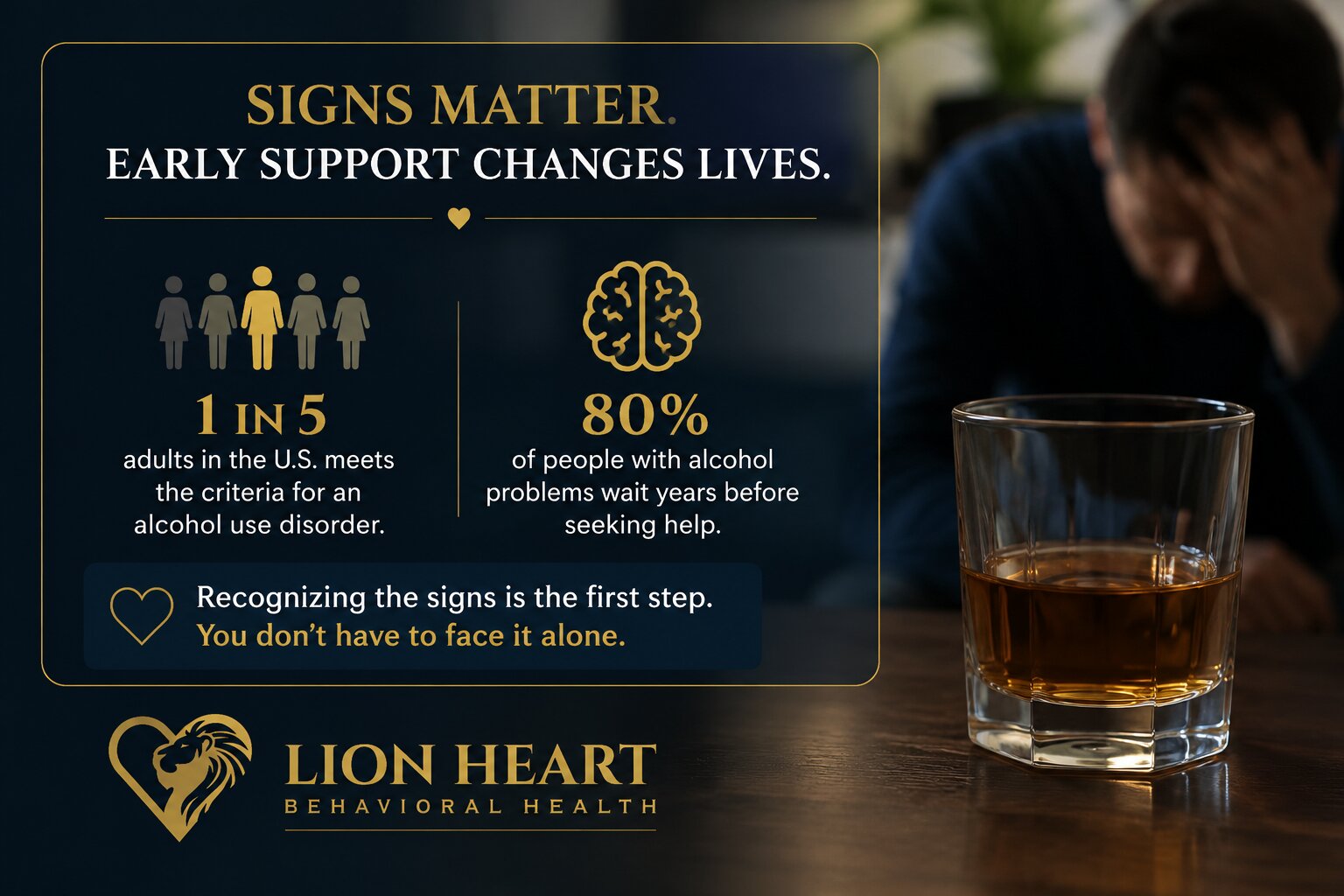
Many people ask whether drinking heavily automatically means someone has alcohol use disorder (AUD).
Not necessarily.
Healthcare professionals diagnose AUD based on a combination of symptoms, not simply the amount of alcohol someone drinks.
AUD exists on a spectrum.
Some people have mild symptoms.
Others experience more severe impairment.
The diagnosis considers patterns such as:
- Difficulty controlling alcohol use
- Cravings
- Continued drinking despite consequences
- Increasing tolerance
- Withdrawal symptoms
- The impact drinking has on daily life
This framework helps move the conversation away from labels like “alcoholic” and toward understanding how alcohol is affecting a person’s health and well-being.
If you’re questioning your own drinking—or someone else’s—you don’t need to decide whether they “qualify” for a diagnosis. Simply recognizing concerning patterns can be enough reason to have a conversation with a healthcare professional.
Stages of Alcoholism
Although every person’s experience is unique, many clinicians describe alcohol problems as developing gradually rather than all at once.
Early Stage
During the early stage, someone may:
- Drink more frequently
- Develop increasing tolerance
- Begin using alcohol to cope with stress
- Occasionally drink more than intended
Family members often notice only subtle changes at this point.
Middle Stage
As alcohol use progresses, someone may:
- Experience cravings
- Attempt unsuccessfully to cut back
- Begin hiding drinking
- Miss responsibilities
- Experience withdrawal symptoms between drinking episodes
Relationships often become more strained during this stage.
Later Stage
In later stages, alcohol may have a more significant impact on health, relationships, work, and daily functioning.
People may continue drinking despite serious medical, financial, or interpersonal consequences.
Not everyone progresses through these stages in the same way or at the same pace. Recognizing concerns early can create opportunities for support before problems become more severe.
What to Do If You Recognize the Signs
Whether you’re worried about yourself or someone you love, it’s normal to feel uncertain about the next step.
You might be thinking:
“What if I’m overreacting?”
Or:
“What if I bring it up and make things worse?”
These questions come from a place of caring.
You don’t need to have all the answers before reaching out.
A good first step may simply be speaking with a healthcare provider or addiction professional who can help assess the situation and explain available options.
If you’re the one questioning your own drinking, asking for help isn’t an admission of failure. It’s an opportunity to better understand your health and decide what kind of support feels right for you.
If you’re concerned about a loved one, remember that you cannot control another person’s decisions—but you can continue approaching them with compassion, clear boundaries, and consistent concern.
Learning more about alcohol addiction treatment can help you understand what professional care involves and how treatment plans are tailored to each individual’s needs. Call us 774.341.4502 anytime. If you’re in New Bedford or anywhere in Bristol County, Lion Heart provides programs built on that same compassionate approach.
Frequently Asked Questions
What are the first signs of alcoholism?
Early signs may include drinking more than intended, needing increasing amounts of alcohol to achieve the same effects, unsuccessful attempts to cut back, cravings, and continuing to drink despite negative consequences. These changes often develop gradually rather than appearing all at once.
Is daily drinking a sign of alcoholism?
Not necessarily. Some people drink daily without meeting the criteria for alcohol use disorder, while others who don’t drink every day may still have AUD. Healthcare professionals evaluate patterns of behavior, loss of control, cravings, tolerance, withdrawal, and the impact alcohol has on daily life—not just how often someone drinks.
How do I help a loved one who might be an alcoholic?
Focus on expressing concern rather than making accusations. Choose a calm time to talk, describe specific behaviors you’ve observed, and encourage them to speak with a healthcare professional. While you cannot force someone to accept help, approaching them with empathy and respect often leads to more productive conversations.
You Don’t Have to Carry This Alone
Whether you’re recognizing these patterns in yourself or someone you love, taking the time to seek information is an act of care—not judgment. Change rarely happens overnight, and you don’t have to figure out the next steps on your own.
Call (774) 341-4502 or learn about alcohol addiction treatment at Lion Heart.