I walked into the PHP room clutching the idea that sobriety would kill who I was. My art, my voice, my chaos—they all felt intertwined with drinking. But something inside me whispered louder: This can’t keep going.
I joined a partial hospitalization program as a last-ditch test—to see if structure could be an ally, not a jailer. What I found surprised me. Structure didn’t steal me. It helped me find me again.
If you’re reading this, scared that sobriety might erase your identity, you and I are in conversation. This is what I learned.
What Is a Partial Hospitalization Program (PHP)?
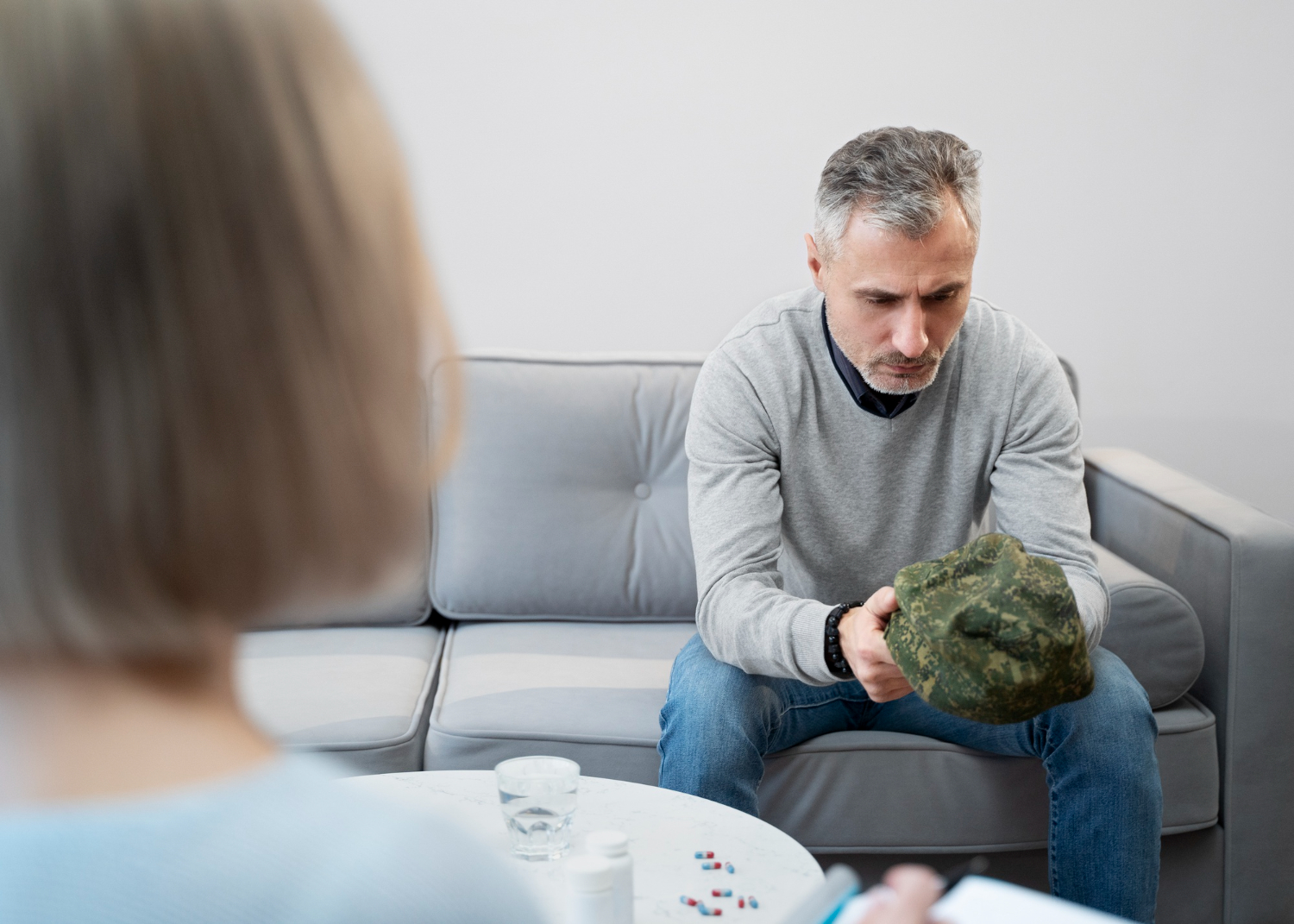
A partial hospitalization program is an intensive treatment model where you attend therapy, groups, and structured sessions during daytime hours, but return home at night. It bridges the gap between full hospitalization and outpatient care.
You don’t disappear. You still live your life.
You don’t isolate. You come together.
You don’t give up. You invest.
At Lion Heart’s PHP in Massachusetts, we built the program to let life stay part of the journey. You remain in your community, in your roles, while getting more support than outpatient alone.
In my first week, walking into that building, I thought I’d lose the “me” I recognized. But if you stay with me, I’ll show you why that worry softens.
The Fear: “If I Stop Drinking, I’ll Be Empty”
I said it out loud at intake: “What if I don’t exist anymore?”
I breathed creativity, coffee, late nights, chaos—all of it tangled with my alcohol use. I feared that when drinking left, a hole would remain—a blank page with no story to write.
That’s a common fear for people fiercely tied to identity-based roles—artists, writers, makers, designers. Who am I if I don’t need to burn to light my own fire?
But here’s what PHP taught me: you don’t lose your light by cleaning the lens. You just see it differently. And stronger.
How PHP Brought Structure Without Silencing My Voice
Here’s how that first month played out—how the scaffolding that felt so stiff actually became a dancefloor for my recovery.
1. Daily Rhythm, Healing Rhythm
I used to wake with dread: What did I do last night? What’s wrong today? PHP gave me a schedule: morning check-ins, therapy groups, lunch breaks, art slots, ending reflections. That container grounded me. It became a skeleton I could flesh out, instead of a void I had to fill.
2. Creative Integration, Not Suppression
They asked: “What are your interests outside drinking?” I said, “Everything—but scared.” They offered time for expression, journaling, art therapy. My pen scratched again. My voice cracked. My visuals flared. My spark came alive in corners I thought dead.
3. Witnessing the Invisible Wounds
In group, someone said the thing I’d buried: “I’m afraid sobriety will erase me.” I exhaled. Others nodded. Their fears mirrored mine. We didn’t sidestep identity— we faced it. And by seeing it, I realized I wasn’t the only one trying to reassemble myself.
4. Safe Testing Ground
I went home each night. I slipped sometimes. But I had a baseline to come back to. PHP was not a fortress. It was a basecamp. A place to rest, lay down burden, relearn boundaries, then return to my life.
5. Tools to Translate Pain Into Purpose
They taught me emotional regulation, coping tools, boundary work, communication. I relearned how to feel without self‑medicating. The pain, the longing, the loneliness—they didn’t go away. But I got a language for them. And from that language, I made art again that didn’t depend on poison.
What I Lost and What I Rebuilt
Yes, there was loss.
Some friendships based on drinking fell away. Some parts of my “wild self” that I romanticized felt hollow when exposed to daylight. Some illusions peeled.
And yet what I found was deeper:
- Clarity about who I want to be, unfiltered
- More consistent voice in my art, grounded in truth
- Trust in boundaries instead of chaos
- Connection to others who see the struggle
- Surprise joy in mornings that don’t start in shame
The identity I built through drinking was brittle. The identity I’m building now has roots.
How to Know if PHP Might Save Your Spark
You may be a good candidate for PHP if:
- You want more support than outpatient but don’t want to leave your life entirely
- You feel your identity is entangled with your addiction
- You’re craving structure, not rigid rules
- You want to keep creative work, relationships, responsibilities—but healthier
- You’ve tried minimal supports and still feel unmoored
Partial hospitalization programs like ours offer just enough structure to hold you while you re-discover your boundaries and your passions.
FAQs: What I Wondered (And What Helped Me)
1. Will PHP kill my identity or creativity?
No. If anything, it can resurrect them. PHP gives you space to be, not perform. Your creativity doesn’t disappear—it slows, adjusts, finds new roots.
2. Can I still make art or commitments?
Yes. Many people continue creative work during PHP. You may need to adapt your schedule, but you don’t need to abandon your voice.
3. What happens after PHP ends?
You’ll “step down” into outpatient therapy or intensive outpatient care. The scaffold is gradually lowered; you move toward autonomy, but you don’t walk the path alone.
4. Is it okay if I feel lost even during PHP?
Yes. Feeling uncertain or uncomfortable is part of remapping self. That fog isn’t failure. It’s territory. You’ll gradually chart your edges.
5. What if I relapse?
Relapse doesn’t erase growth. If it happens, you return, reflect, and adjust. You didn’t erase your spark—just hit a rough patch. Recovery isn’t linear; you rebuild with wisdom.
What I Want You to Know, Friend
- You don’t have to give up who you are to heal.
- Fear and identity rewiring are part of the path.
- Structure doesn’t silence you—it protects your voice.
- Showing up imperfectly is still showing up.
- You can rejoin your life—not abandon it.
If you wonder whether sobriety will steal your identity, let me reassure you: what sobriety can take away is the noise, the distortion, the poison. What it gives back is clarity, roots, and a voice that isn’t hoarse from hiding.
I still feel afraid sometimes. But now I paint, write, sing, feel—all with edges and boundaries I never had. I survived the fear. So can you.
Curious if PHP could protect your spark?
Call (774)238-5533 or visit our partial hospitalization program services in Raynham, Massachusetts to explore how PHP can help you recover and reclaim who you are.