

In early recovery, there’s a kind of ache most people don’t talk about at first. It’s not just missing substances—it’s missing your own reflection. You might look in the mirror and not recognize the person staring back. Not because you’ve changed—but because you’re not sure who you are without the thing you leaned on.
Maybe you’re a few days in. Maybe a few weeks. You’ve done something brave and honest—enrolled in a drug treatment program in Massachusetts—but it still feels hard. Lonely. Heavy in places you didn’t know existed.
If you’re asking, “When will I feel like myself again?”—you’re not weak or dramatic. You’re human. And this blog is for you.
How long does it take to start feeling better in recovery?
This is one of the most common—and most tender—questions we hear. And while there’s no exact calendar for healing, here’s what we can tell you:
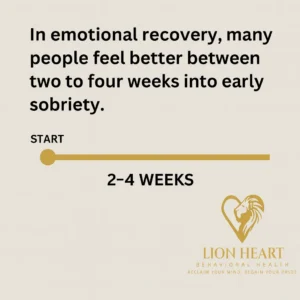
For many people, the first physical and emotional improvements begin within two to four weeks of stopping substance use. That might look like better sleep, more mental clarity, or fewer emotional outbursts. But for others, especially those with co-occurring mental health symptoms or long-term substance use, it can take longer.
Recovery isn’t linear. Some days you’ll feel lighter, then suddenly sink back into doubt or sadness. That doesn’t mean you’re failing. It means your brain and body are recalibrating. Think of it like a snow globe that’s been shaken hard. The flakes don’t settle immediately—but they do settle.
Is it normal to feel worse before I feel better?
Absolutely. And here’s why: substances numb things. They block pain, but they also block joy, memory, and the natural rhythms of your nervous system. When you stop using, everything returns at once—like someone turning the lights on in a dark room. It’s jarring. It can even feel unbearable at times.
What you’re experiencing isn’t regression—it’s re-entry.
You might cry more. Feel flat. Miss people you used to use with. Question your decision altogether. That doesn’t make you broken. It makes you someone who is bravely staying awake to what’s real.
What does “feeling like myself again” actually mean?
That’s a powerful question. For some people, it means laughing without faking it. For others, it means waking up without dread, or being able to sit in silence without needing to escape it.
For many clients in our drug treatment program in Raynham, MA, “feeling like myself again” turns out to be about discovering a version of themselves they never had the chance to fully know.
So the real answer? You don’t go back. You move forward—to something deeper, more solid. You become someone who still feels like you, just with fewer masks.
What can I do to support emotional healing during this time?
While you can’t fast-forward recovery, there are ways to support your healing—gently, without pressure:
- Keep showing up to treatment. Even when it feels pointless. Even when you’re tired. The act of returning sends a message to your brain: “I’m worth the effort.”
- Let people in, one small moment at a time. You don’t have to spill your whole story. Just tell one truth to someone safe. That’s enough.
- Focus on the basics. Eat food that nourishes you. Sleep when you can. Take a short walk. These tiny acts are the scaffolding of healing.
- Talk about the loneliness. Not everyone in treatment will feel what you’re feeling. But someone will. And when you name it, it loses some of its power.
- Stay curious. Ask your counselor or group: “What helped you when you felt like this?” Let their stories guide you, not pressure you.
What if I feel like I’ve lost my identity without substances?
This is more common than people realize. Many individuals used substances not just to escape pain, but to enhance life. To feel bolder. More connected. More alive. When that’s gone, it can feel like you’ve lost your color.
But what if that intensity wasn’t lost—just waiting to be rediscovered, redirected?
In treatment, we help clients find new ways to feel lit up. Creative outlets. Deep relationships. Even quiet confidence. You’re not missing your personality. You’re learning how to access it without chemical keys.
Can I ever enjoy life sober?
You might not believe this right now, but yes. And not just enjoy—want it. Crave it. Laugh in a way that shakes your chest. Sleep deeply. Love with more clarity.
But joy in sobriety doesn’t feel exactly like joy in active use. It’s steadier. Slower. At first, it might feel muted or even boring. That’s okay. Boring can be sacred. It means your brain is beginning to trust the quiet again.
One client said it this way:
“At first I was chasing the highs I used to get. But one day, I felt peaceful just eating dinner with my family. And it hit me—this is the kind of joy I never had before.”
– Client, 2022
I feel lonely even when I’m surrounded by people. Why?
Early sobriety often brings a strange kind of loneliness. Even in groups, you might feel distant. Disconnected. Like you’re speaking a different language. That’s not because people don’t care. It’s because you’re going through something huge—and sometimes words aren’t enough.
This loneliness is a sign that you’re awake. It’s the silence that comes before your new life starts making noise.
And while nothing replaces connection, know this: the ache means your heart still wants something. That’s a good sign. Stay with it.
What if I never feel normal again?
You will feel better. But “normal” might not look the same. And that’s not bad.
You might become someone more tender. Someone who notices things. Someone who pauses before reacting. Those aren’t losses. Those are shifts. Signs of return. Markers of a person healing from the inside out.
We see it all the time in our drug treatment program near Bristol County, MA. Someone walks in raw and afraid—and weeks later, they’re sharing insights in group. Smiling in the hallway. Asking how someone else is doing.
That’s not just healing. That’s you, coming home.
Is there a “normal” timeline for recovery milestones?
While everyone heals at their own pace, some common markers people experience include:
- Week 1–2: Detox symptoms peak and slowly begin to subside
- Week 3–4: Sleep stabilizes, cravings may shift
- Month 2–3: Emotional regulation improves; moments of lightness return
- Month 4–6: Rebuilding of relationships, interests, and identity begins
But don’t compare your healing to someone else’s. Recovery isn’t a race. It’s a rhythm—and yours is sacred.
Final Thought: You’re not behind. You’re becoming.
If you’re reading this, you’re doing more than you think. Healing doesn’t always feel like progress. It often feels like pausing. Sitting in the discomfort. Letting the ache be there without numbing it.
That’s not weakness. That’s strength, in its quietest form.
And when you’re ready, we’re here. With warmth. With care. With a path forward that’s built around you.
Need a place to feel safe while you heal?
Call (774) 341-4502 or visit Drug Treatment Program services in Raynham, Massachusetts to learn how Lion Heart can support your recovery.