
When I got diagnosed, I didn’t cry.
I opened Google. Then Reddit. Then WebMD. Then a stack of browser tabs I couldn’t close because each one had some new terrifying headline about what could happen to people like me. Side effects. Stigma. Misdiagnosis. Long-term impact. Medications that work for everyone—except when they don’t.
It was 2:17 a.m., and I was trying to calm myself down by spiraling harder. My thoughts weren’t racing. They were sprinting.
I didn’t know what to do with my fear, so I tried to research my way out of it.
What I really needed wasn’t more information. It was support. Clarity. Safety. Something stronger than late-night speculation.
That’s when someone told me about the Day Treatment program in Raynham, MA—and I swear I almost didn’t call. But I’m so, so glad I did.
Getting Diagnosed Isn’t Always a Relief
Everyone talks about how finally getting diagnosed is validating. How it “explains everything.” And maybe that’s true for some people.
But for me? It felt like being handed a folder labeled “Here’s Everything That’s Supposedly Wrong With You—Good Luck.”
I didn’t feel seen. I felt exposed. Like every little thing I’d struggled with was now under a microscope. Every moment I’d questioned myself suddenly had a clinical name next to it.
The label wasn’t comforting. It was terrifying. Because now I had to do something about it. And I didn’t know where to start.
The Late-Night Spiral
That’s how I ended up panic-searching symptoms until my body was shaking and my legs were numb. I started avoiding people. I couldn’t explain why I was scared—just that everything felt loud and blurry and wrong.
I was:
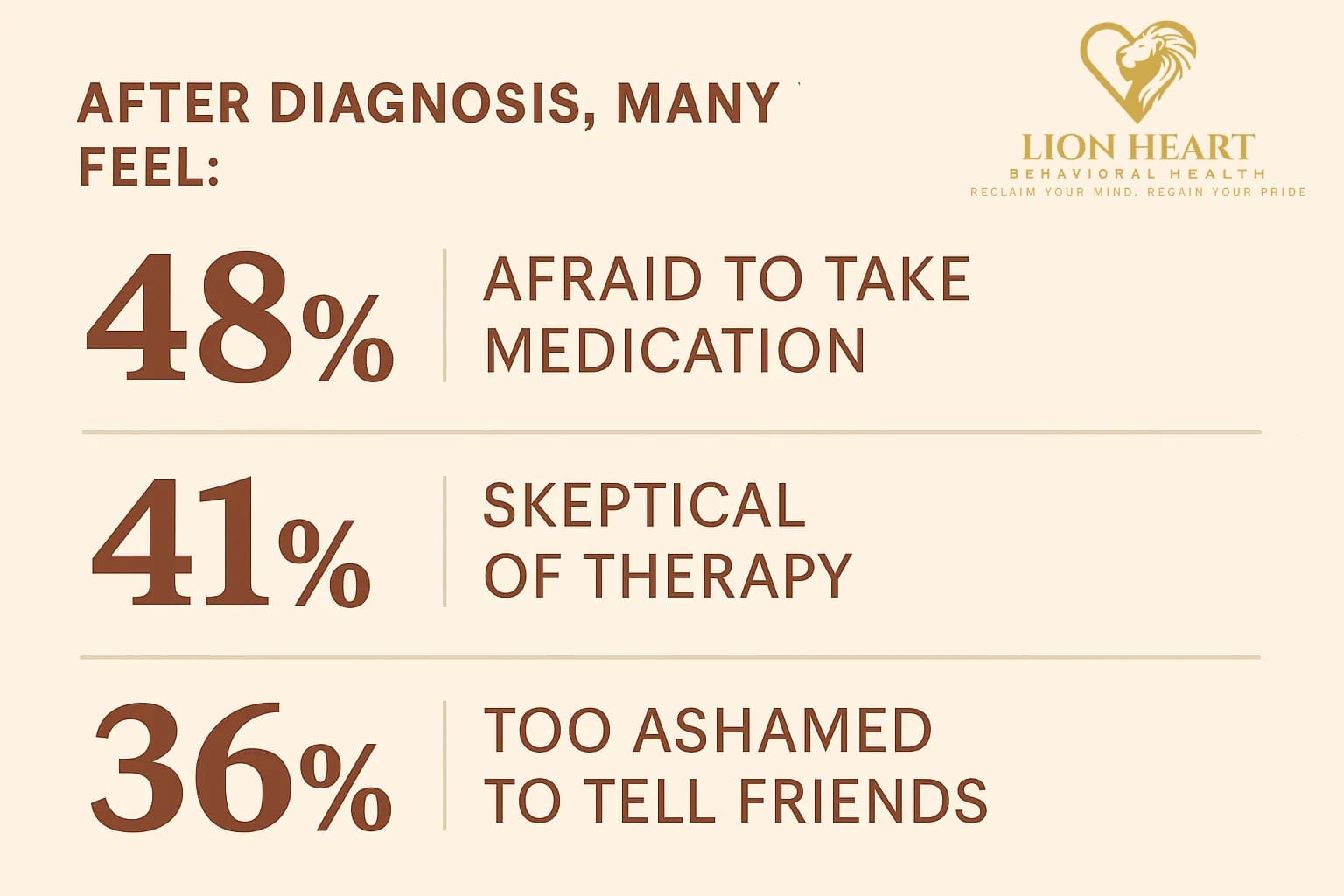
- Afraid to take medication because I thought it would change me
- Skeptical of therapy because I didn’t know how to talk about what I felt
- Too ashamed to tell my friends what was happening
- Exhausted from pretending I was “fine”
I kept thinking, If I can just understand this more, I can fix it myself.
But understanding wasn’t the problem. I needed something bigger than insight. I needed care.
What I Thought Day Treatment Would Be (and What It Actually Was)
When a mental health hotline mentioned “Day Treatment,” I imagined a sterile building with folding chairs and strangers who wouldn’t look me in the eye. I imagined being lectured. I imagined group therapy where I had to spill everything before I was ready.
Instead, I got this:
- A gentle intake conversation where I didn’t have to justify how bad it was
- A schedule that helped me get out of bed but didn’t make me feel trapped
- Group therapy where I could speak—or not—and still be held
- A psychiatrist who actually listened to my fears about medication
- A therapist who helped me make sense of my story instead of reducing me to a list of symptoms
It was the first time I didn’t feel like a diagnosis walking into a room. I felt like a person being offered steadiness.
Why Day Treatment Was the Right Fit
I wasn’t in immediate crisis, but I was unraveling. I needed more than a weekly therapy appointment, but I wasn’t ready (or able) to disappear into inpatient treatment.
Day Treatment—also called PHP—was the middle space I didn’t know existed.
At Lion Heart, I could:
- Spend five hours a day getting real therapeutic support
- Still sleep in my own bed at night
- Take small steps toward feeling safe in my body again
- Build trust with a care team who never rushed or minimized me
And because I was newly diagnosed, they built everything around where I was emotionally—not where they thought I “should” be.
The Truth About Medication: I Was Scared for a Reason
I wasn’t anti-med. I was scared-med.
Scared that it would flatten me. Scared that I’d feel nothing. Scared I’d feel too much. Scared it would mean I was broken in a way that needed fixing.
The Day Treatment program didn’t force anything. It gave me space to explore those fears without judgment. To ask questions like:
- What if I lose my creativity?
- What if this becomes forever?
- What if it numbs the only parts of me I like?
They didn’t promise magic. But they promised to walk with me through the unknown. That made all the difference.
What Days Actually Looked Like
Every day had a rhythm—just enough to feel held, not controlled.
Mornings:
- Check-in group where no one expected you to smile if you couldn’t
- Processing time with a therapist who got how much effort it took just to show up
Afternoons:
- Skill-building that didn’t feel like a workbook
- Mindfulness exercises that were awkward at first but eventually helped me breathe again
- Sometimes art therapy, where I said things I didn’t have words for
We weren’t “fixing” ourselves. We were learning to live inside our bodies and stories with a little more space. A little more grace.
How I Knew It Was Working
It wasn’t one big moment. It was a bunch of quiet ones:
- The first night I didn’t Google “long-term effects of anxiety medication”
- The first time I ate a full meal without my stomach clenching
- The first time I told someone, “I’m in a Day Treatment program,” and didn’t feel ashamed
Healing didn’t feel like a light switch. It felt like walking out of a storm, still dripping wet, but realizing the sun was coming up.
Where You Can Get This Kind of Support
I found Lion Heart through a friend of a friend. I live near New Bedford, MA, and their Raynham location was close enough to keep my life intact but far enough to feel like a reset.
If you’re looking for Day Treatment in Bristol County, MA, this is it.
You don’t need to move mountains. You just need one safe place to land.
FAQs: For the Newly Diagnosed (and Totally Overwhelmed)
Is Day Treatment just for people in crisis?
Nope. It’s actually ideal if you’re not in immediate crisis but know you’re not okay. Especially if you’ve just been diagnosed and don’t know what support you need yet.
What if I don’t want to take meds?
Then you don’t have to. You’ll have access to a prescriber to talk through options, but no one’s forcing pills on you. You’re allowed to have mixed feelings and take your time.
Can I do this without telling my whole job or school?
Many clients take temporary leave or reduced schedules. Lion Heart can help with documentation if needed—and work with you to protect your privacy as much as possible.
What does a typical day look like?
Each day includes group therapy, individual support, skill-building, and often creative expression or mindfulness. It’s structured, but never rigid. Think: support, not school.
How long is the program?
Most people stay between 2–6 weeks, depending on what they need. It’s flexible, not one-size-fits-all.
Will insurance help?
Usually, yes. Lion Heart works with most major insurance plans and can walk you through benefits and approvals.
You don’t have to understand everything to ask for help.
Call (774) 238-5533 or visit our Day Treatment program page to learn more about services in Raynham, Massachusetts.
Even if you’re scared. Even if you’ve got 12 tabs open trying to figure out if you’re “bad enough” to need help.
You’re not too early. You’re not too broken. You’re just in the part where support makes all the difference.