How to Process Trauma: Steps Toward Healing

Trauma isn’t something you “just get over.” It changes how you view the world, how you connect with others, and how you experience your own body and mind. But while trauma may alter your path, it doesn’t have to control your future. Processing trauma is a journey of courage, commitment, and support. At Lion Heart […]
Success Stories from Lionheart’s IOP Participants
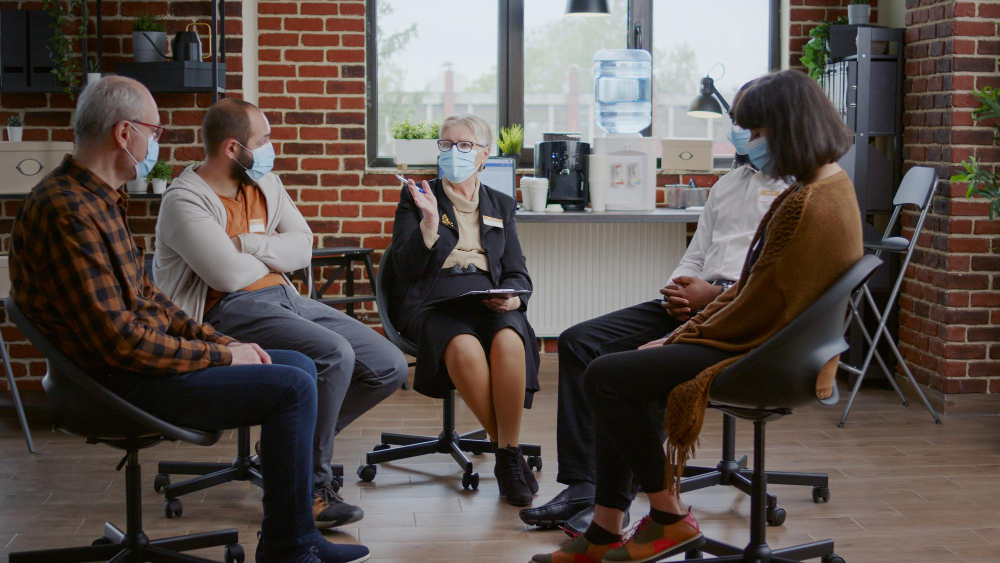
Choosing to seek treatment—especially in the midst of life’s chaos—is one of the bravest decisions a person can make. And yet, many individuals hesitate to take that step because they don’t believe recovery is possible, or they’re unsure if a program will truly fit into their life. That’s where our Intensive Outpatient Program (IOP) at […]
Balancing Life Responsibilities with IOP

For many individuals, seeking treatment for mental health or addiction can feel like an impossible choice—get help or keep up with life responsibilities. The fear of stepping away from work, education, or caregiving duties keeps countless people from getting the care they need. But recovery doesn’t have to come at the cost of your job, […]
Is an Intensive Outpatient Program Right for You?

When you’re navigating mental health challenges, trauma, or substance use recovery, one of the most important decisions you’ll face is choosing the right level of care. Not everyone needs inpatient treatment—but many need more than just a weekly therapy session. That’s where an Intensive Outpatient Program (IOP) can be a life-changing solution. At Lion Heart […]
Transitioning from Inpatient Care to PHP

Discharge from an inpatient mental health or addiction treatment facility can feel like both a victory and a vulnerable moment. You’ve stabilized. You’ve gained insight. You’re ready to leave the constant supervision behind—but you’re also stepping back into a world full of triggers, stressors, and responsibilities. This is where a Partial Hospitalization Program (PHP) becomes […]
Benefits of PHP for Mental Health Recovery

For those navigating mental health challenges, it’s not always clear which level of care will provide the right balance of structure and flexibility. A Partial Hospitalization Program (PHP) offers a powerful middle ground—ideal for individuals who need more support than weekly outpatient therapy, but who are stable enough not to require 24/7 inpatient care. At […]
What to Expect in a Partial Hospitalization Program

When struggling with mental health issues or substance use, finding the right level of care is crucial to recovery. Some individuals require intensive, structured support—but may not need inpatient hospitalization. That’s where a Partial Hospitalization Program (PHP) comes in. At Lion Heart Behavioral Health, our Partial Hospitalization Program in Massachusetts bridges the gap between inpatient […]
Incorporating Mindfulness into Daily Life with DBT

Modern life is loud. Between work stress, family pressures, global uncertainty, and the internal noise of anxiety or depression, it’s no wonder so many of us feel overwhelmed. For those struggling with emotional regulation, trauma, or mental health conditions, daily life can feel like a constant battle against their own mind. But you don’t have […]
DBT Skills for Improving Interpersonal Relationships

Relationships are the foundation of our well-being. Whether it’s family, friendships, romantic partners, or even professional connections, how we interact with others shapes our self-esteem, emotional balance, and overall life satisfaction. But when you’re struggling with mental health challenges like anxiety, depression, trauma, or emotional dysregulation, maintaining healthy relationships can feel out of reach. Emotions […]
How DBT Enhances Emotional Regulation

Life comes with unavoidable emotional turbulence. But for many, especially those with anxiety disorders, depression, trauma, or personality disorders, emotions can feel overwhelming, unpredictable, and exhausting. When emotions spiral out of control, they can lead to impulsive decisions, strained relationships, and unhealthy coping mechanisms like substance use or self-harm. This is where Dialectical Behavior Therapy […]